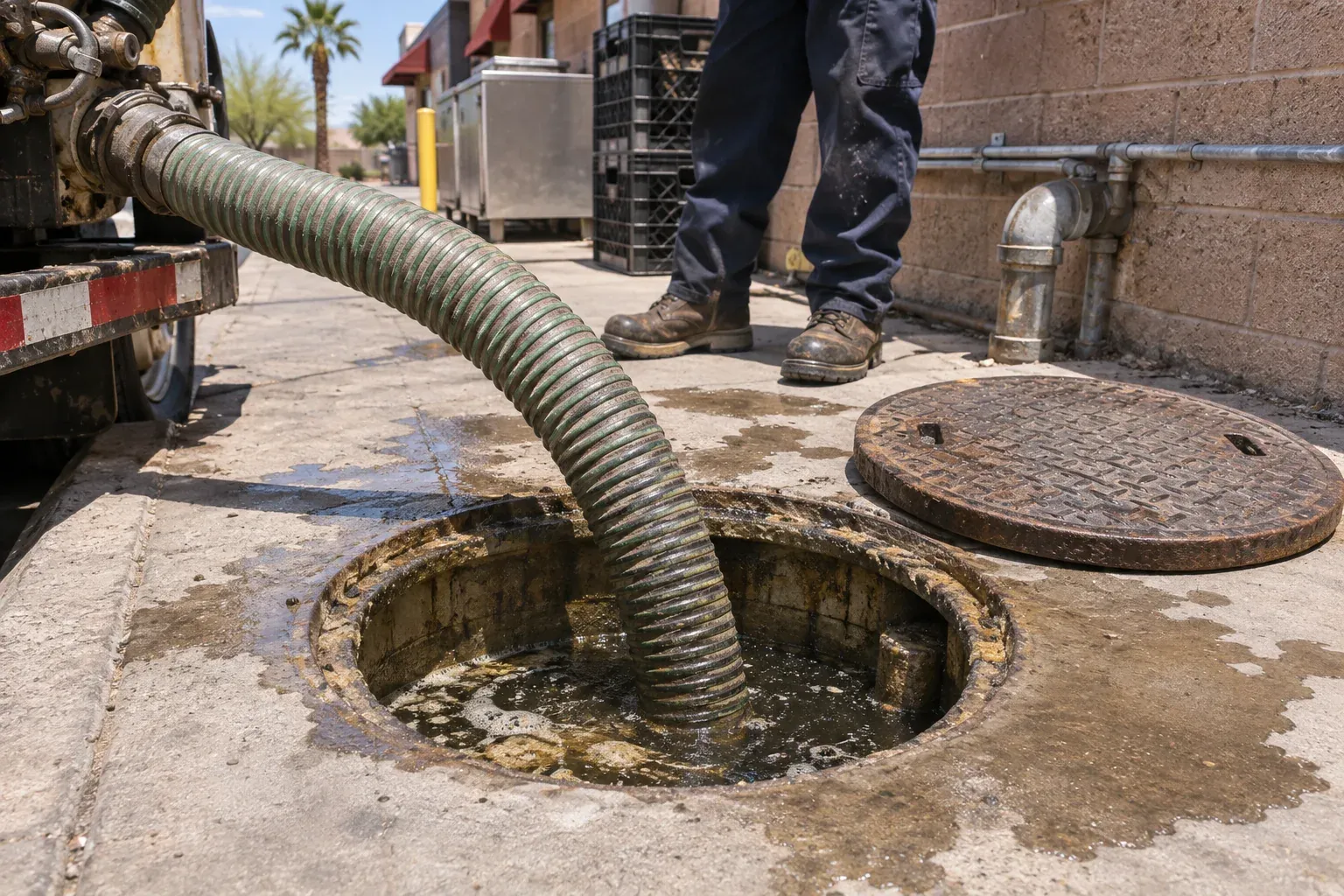
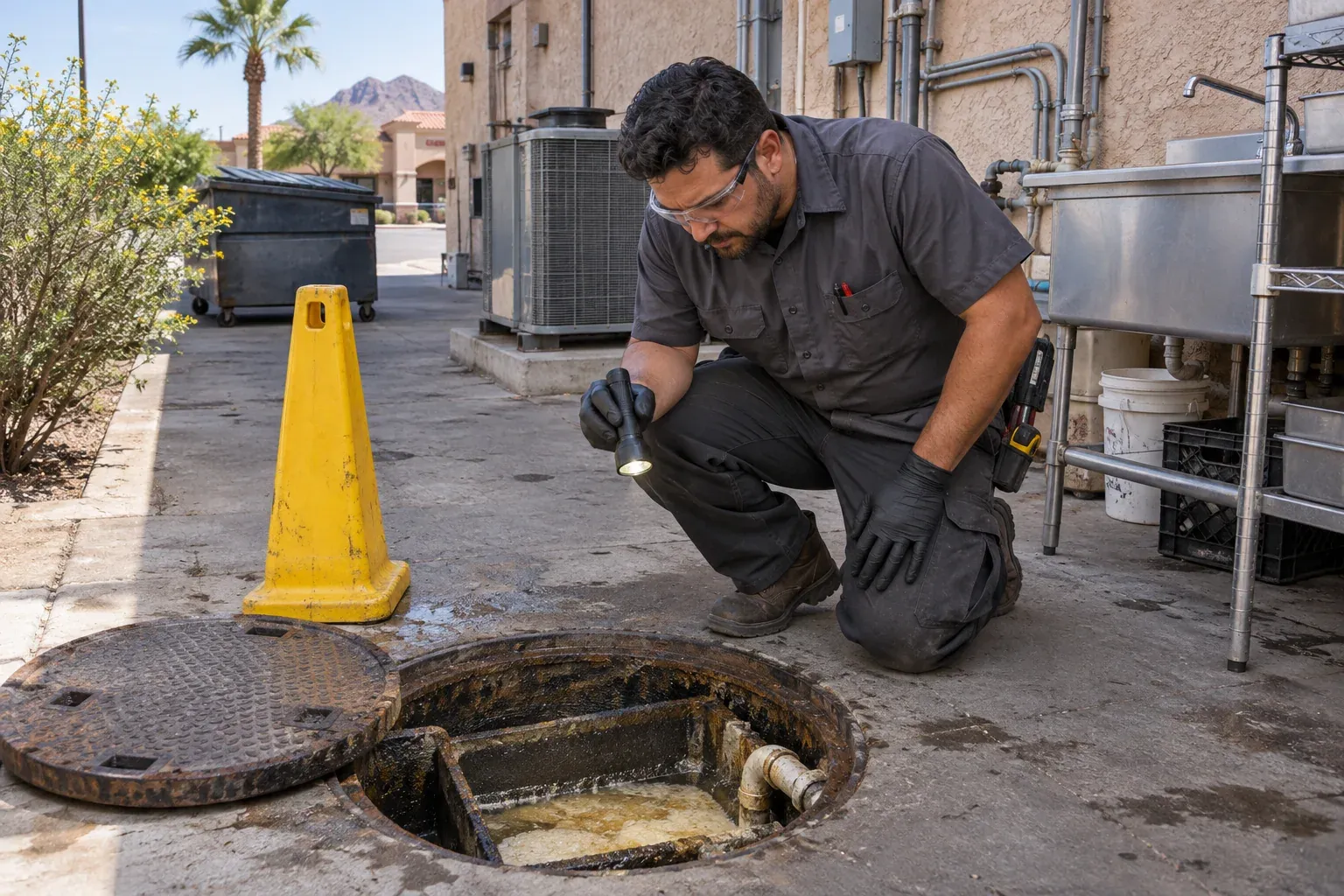
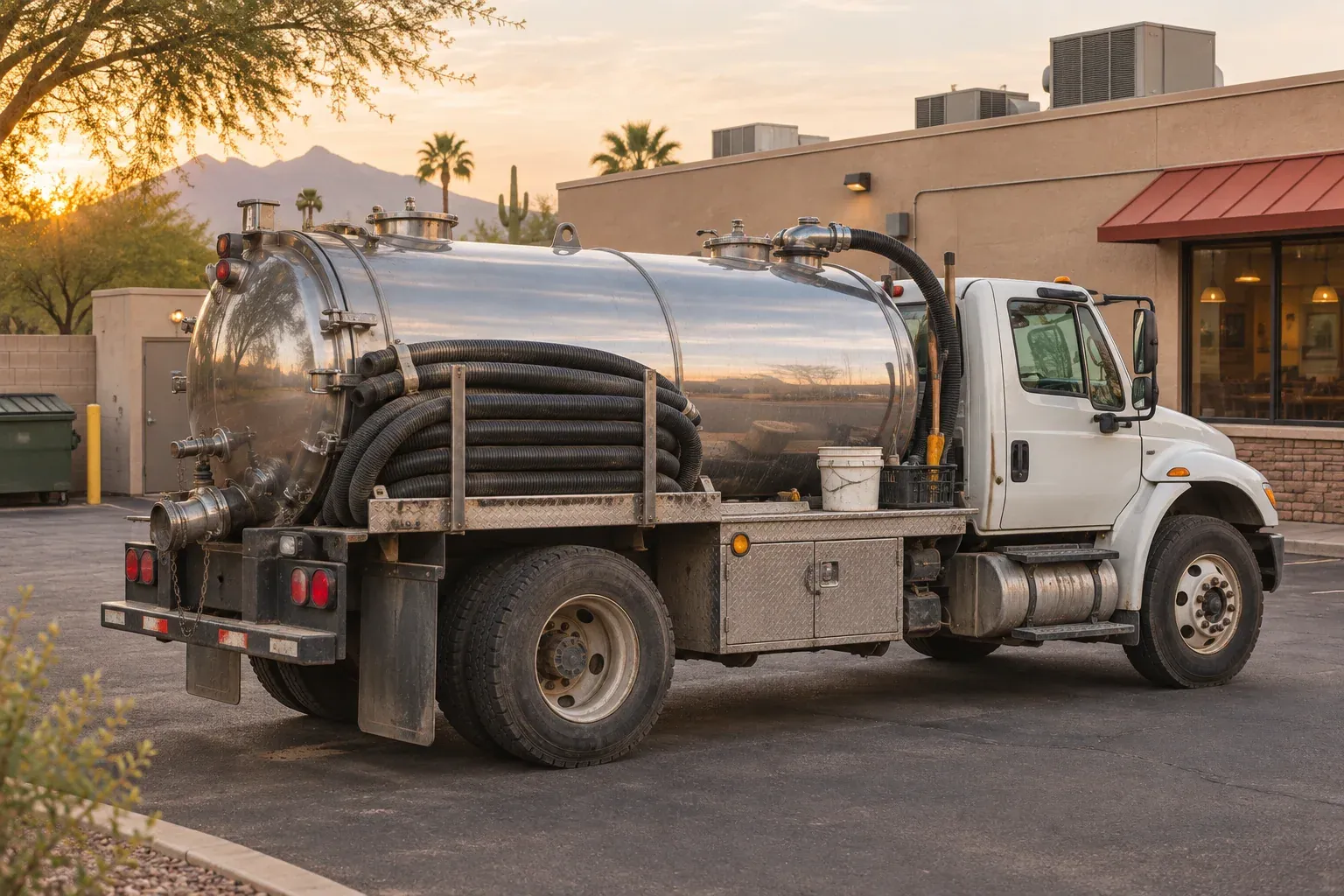
The practical translation of "continuously efficient operation" is a schedule with a margin. The 25 percent limit used by Phoenix and other Valley programs is the number to design against, and the schedule that keeps a Mesa device under 15 percent at every visit is a schedule that satisfies the code with room to spare.
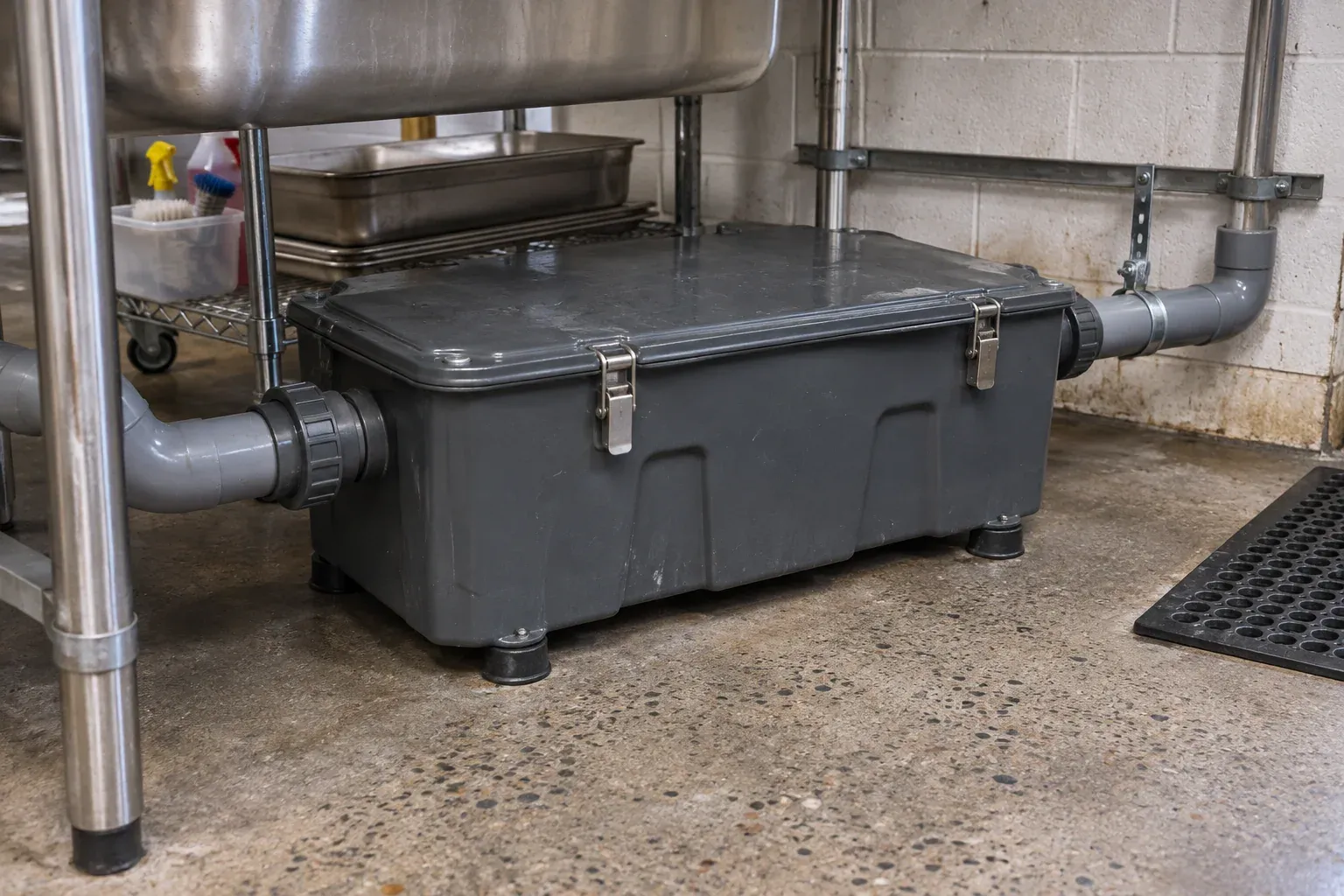
Intervals of 60 to 90 days for an outdoor interceptor and 30 days for an indoor trap are common starting points. The number that matters is the measured fill rate, not the guess. A first visit should include a depth measurement, and the next 2 visits should confirm the trend before the interval is set for the year.
The city can also require more frequent pumping when a restaurant's load increases, and that is a real risk for a kitchen that adds a fryer, a second shift or a catering program. The trigger can be a complaint, a backup or an inspection, and by then the fix is a corrective schedule with a file to prove it.